
The sizzling sound of tender beef hitting a hot wok feels like pure magic in the kitchen. Today, I’m thrilled to share my recipe for Vietnamese Flat Rice Noodles with Beef, or Hu Tieu Ap Chao, a dish that transforms your weeknight meals into something extraordinary. In just one pan, you can create a hearty stir-fry that marries chewy rice noodles with vibrant vegetables and a rich sauce that whispers “comfort.” This quick meal is not only adaptable for vegetarian diets, but it’s also perfect for those who crave a satisfying dinner without the fuss. With a sprinkle of fresh herbs or a drizzle of lime juice, you’ll have a colorful plate that invites everyone to the table. So, are you ready to discover how easy it is to bring a taste of Vietnam to your kitchen?
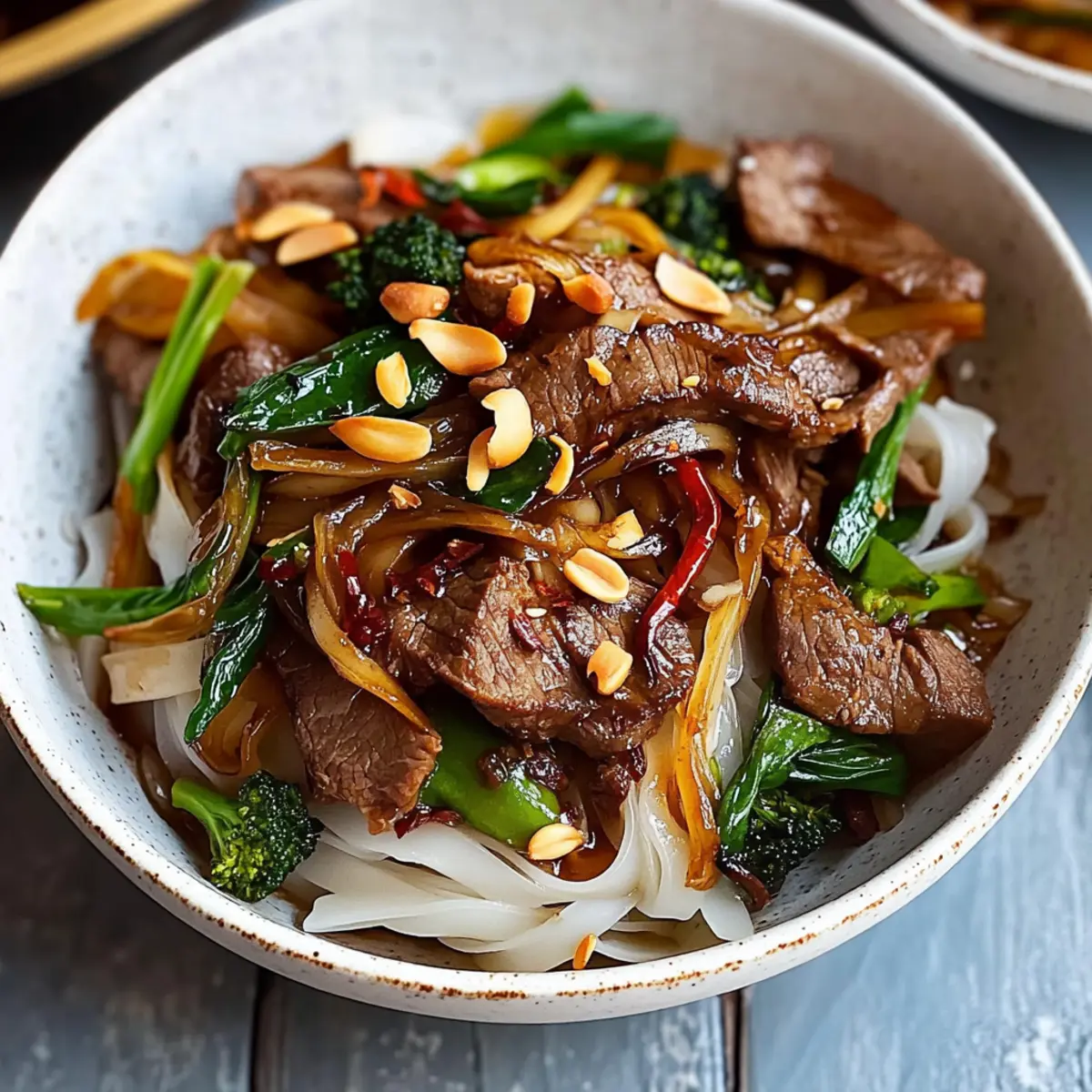
Why is This Dish So Special?
Simplicity: With just one pan, this recipe makes cooking a breeze, perfect for busy weeknights.
Flavor Explosion: The blend of umami-packed sauces beautifully complements the tender beef and chewy noodles.
Adaptability: Easily switch to a vegetarian option with tofu or mushrooms, catering to various dietary preferences.
Quick Cooking: In under 30 minutes, you can serve a meal that rivals your favorite takeout, saving time without sacrificing taste.
Crowd-Pleaser: Whether it’s family or friends, everyone will love the vibrant colors and comforting flavors, reminiscent of traditional Vietnamese cuisine. Enjoy with lime and fresh herbs to elevate your experience!
Vietnamese Flat Rice Noodles Ingredients
• Discover the perfect ingredients for an unforgettable dish!
For the Sauce
- Oyster Sauce – Adds depth and umami to the dish; no direct substitution.
- Soy Sauce (low-sodium recommended) – Provides saltiness and flavor; can substitute with tamari for gluten-free.
- Dark Soy Sauce – Enhances color and sweetness; substitute with regular soy sauce mixed with a bit of molasses or honey if unavailable.
- White Granulated Sugar – Balances savory flavors; brown sugar can be used instead.
- Pepper – Adds mild heat; use white pepper for a different flavor.
- Sriracha (optional) – Provides spice; adjust the amount based on your heat preference.
For the Beef
- Thinly Sliced Beef (skirt, flap, flank, or ribeye) – Main protein source, contributing flavor and texture; chicken, pork, or shrimp can be substituted.
- Baking Soda – Tenderizes beef; omit in vegetarian versions.
- Garlic Powder – Adds aroma and flavor; fresh garlic can substitute.
For the Vegetables
- Onion (thinly sliced) – Adds sweetness and texture; shallots can be used for a milder flavor.
- Chinese Broccoli (gai lan) – Adds a fresh, earthy component; substitute with regular broccoli or bok choy if necessary.
- Bean Sprouts – Provides crunch and freshness; can be omitted if unavailable.
- Green Onions – Garnish and flavor boost; substitute with chives if necessary.
For the Noodles
- Rice Noodles – Base of the dish, offering chewiness; alternative noodles like soba or egg noodles can be used based on preference.
For Cooking
- Cooking Oil (avocado oil recommended) – For sautéing; any neutral oil can be used.
- Salt – To taste; adjust based on the soy sauce used.
Step‑by‑Step Instructions for Vietnamese Flat Rice Noodles
Step 1: Prepare the Sauce
In a small bowl, whisk together the oyster sauce, low-sodium soy sauce, dark soy sauce, white granulated sugar, pepper, and Sriracha. Mix until the sugar dissolves, creating a harmonious blend of flavors. Set this savory sauce aside to allow the flavors to meld while you focus on the beef and vegetables.
Step 2: Marinate the Beef
In another bowl, combine thinly sliced beef with baking soda, garlic powder, and 1½ tablespoons of the prepared sauce. Let the beef marinate for 15-20 minutes to tenderize and infuse flavor, while you gather your cooking equipment. This step is crucial for achieving well-seasoned, tender beef in your Vietnamese Flat Rice Noodles dish.
Step 3: Sear the Beef
Heat 1 tablespoon of oil in a wok over high heat until shimmering. Carefully add the marinated beef, spreading it out in a single layer. Sear for 1-2 minutes until the beef is browned on the outside but still slightly pink inside. This quick cooking keeps it tender, so watch closely and set the beef aside when done.
Step 4: Sauté the Vegetables
Wipe the wok clean and add another tablespoon of oil. Heat it over medium-high heat, then sauté the thinly sliced onion and Chinese broccoli, sprinkling with salt. Cook for about 3-4 minutes until the onion is charred and the broccoli turns vibrant green, creating a delicious base for your Vietnamese Flat Rice Noodles.
Step 5: Add the Rice Noodles
Introduce the cooked rice noodles into the wok, along with half of the prepared sauce. Gently toss everything together, using tongs to ensure the noodles are well coated. Cook for another 1-2 minutes until the noodles soften and absorb the flavors, making each bite irresistible in your stir-fry.
Step 6: Combine and Finish Cooking
Add the bean sprouts and green onion tops to the wok, along with the remaining sauce. Stir well for another 1-2 minutes until the vegetables are tender yet still crunchy. The vibrant colors and aromas are a sign that your Vietnamese Flat Rice Noodles are nearing completion, ready to incorporate the beef.
Step 7: Combine the Beef and Serve
Return the seared beef to the wok, gently folding it into the noodle and vegetable mixture. Turn off the heat and allow the residual warmth to finish cooking the beef, ensuring it’s perfectly tender. Adjust seasoning if needed, garnish with extra green onions, and serve hot for a delightful meal.
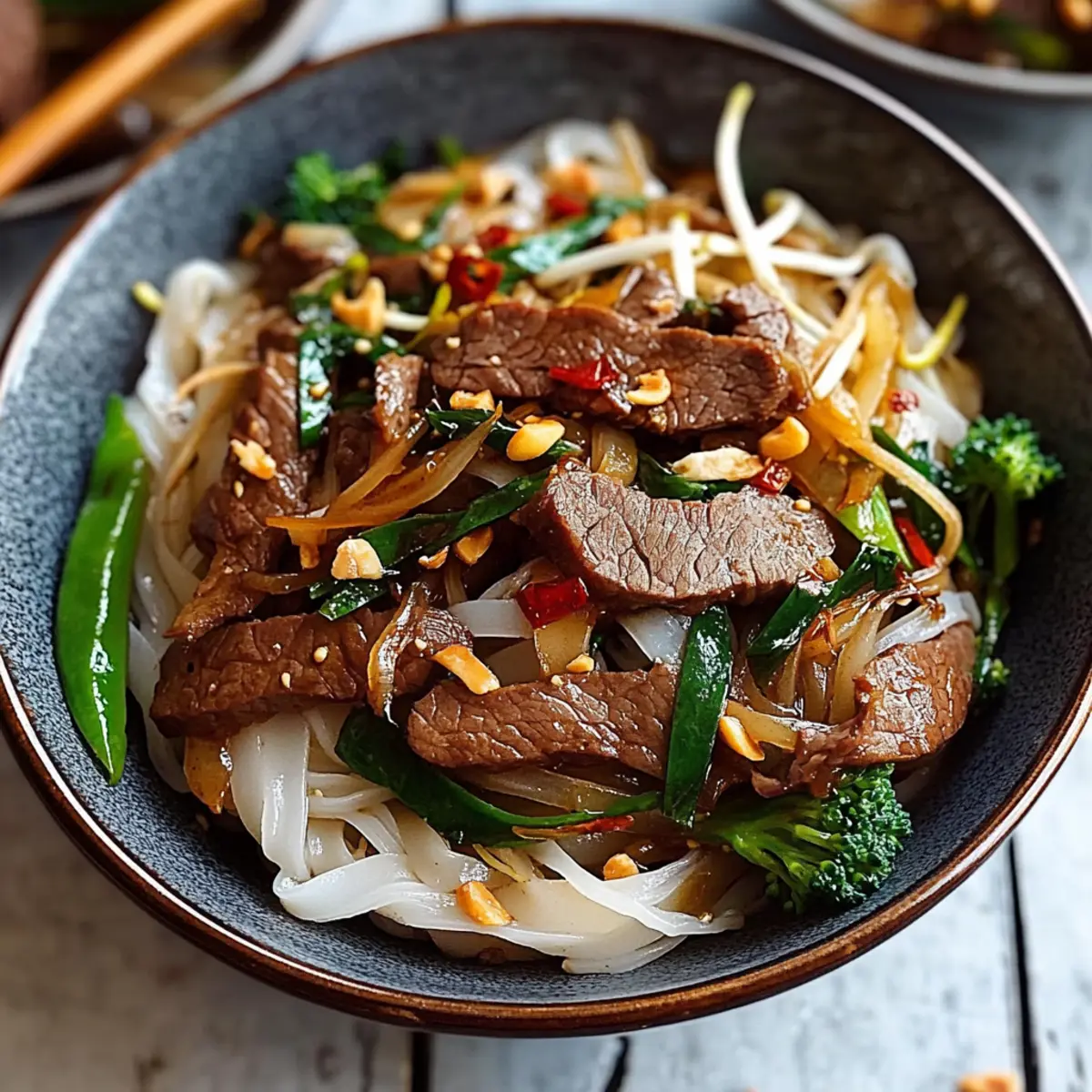
What to Serve with Vietnamese Flat Rice Noodles with Beef?
Transform your weeknight dinner into a feast by pairing delightful sides that enhance this rich dish.
-
Vietnamese Spring Rolls: Fresh, crunchy, and filled with vibrant herbs; their lightness complements the savory noodles perfectly.
-
Crispy Fried Wontons: These golden, crunchy bites offer a delightful contrast to the tender noodles, making for a fun textural experience.
-
Stir-Fried Vegetables: A medley of colorful veggies tossed in garlic adds a fresh and healthy note, balancing the hearty flavors of the noodles.
-
Cucumber Salad: Refreshing and slightly tangy, this salad breaks up the richness of the beef, offering a cooling effect with every bite.
-
Lime Wedges: A squeeze of lime elevates the dish, brightening the flavors and adding a zesty kick that ties everything together.
-
Iced Vietnamese Coffee: The robust flavors of this sweetened coffee provide a perfect contrast to the savory noodles, perfect for sipping between bites.
-
Mango Sticky Rice: End your meal on a sweet note with this luscious dessert; its creamy coconut flavors harmonize beautifully with the bold tastes of your main course.
Helpful Tricks for Vietnamese Flat Rice Noodles
-
Beef Tenderness: Ensure you sear the beef until it’s just slightly pink; overcooking can lead to tough meat. This is key for perfect Vietnamese Flat Rice Noodles.
-
Noodle Rinsing: Rinse the rice noodles thoroughly after boiling; this prevents sticking and allows for better sauce absorption during cooking.
-
Prep Ahead: To save time, prepare the sauce and chop all your vegetables before you start cooking; this makes for a smoother cooking process.
-
Vegetable Variations: Feel free to mix in additional vegetables like bell peppers or bok choy; they add nutrition and balance to your Vietnamese Flat Rice Noodles.
-
Flavor Boost: For an enhanced umami flavor, taste-test your sauce and adjust the seasoning before serving. A dash more soy sauce can elevate the dish beautifully.
Variations & Substitutions for Vietnamese Flat Rice Noodles
Feel free to get creative with this dish! You can customize it to suit your tastes and dietary needs, making it even more delightful.
-
Vegetarian Option: Replace beef with marinated tofu or mushrooms for a satisfying vegetarian dish. Tofu absorbs flavors beautifully, creating a comforting meal that doesn’t skimp on taste.
-
Gluten-Free: Use tamari instead of soy sauce and gluten-free rice noodles to make this dish accessible to those avoiding gluten. It’s a small swap that opens up a world of flavor for everyone!
-
Extra Spice: Increase the Sriracha or toss in fresh sliced chilies to amp up the heat. Just a little extra fire can transform the flavor profile and tickle your taste buds!
-
More Veggies: Add colorful bell peppers, bok choy, or snap peas for a crunchy twist. The more, the merrier—you’ll delight in the added textures and nutrients!
-
Sweet Twist: Swap white sugar for brown sugar or honey for a richer sweetness that beautifully complements the savory elements. This little change can enhance the overall flavor depth.
-
Noodle Alternatives: Try using soba or egg noodles if you’re after a different texture and taste. Each noodle type brings its unique charm to this beloved dish!
-
Protein Swap: Experiment with chicken, pork, or shrimp in place of beef, each offering a distinct choice. It’s a fun way to mix things up and cater to all cravings!
For additional inspiration, check out my recipes for Autumn Wild Rice and Salmon Rice Savory—both bring exciting flavors and versatility to the table!
Make Ahead Options
These Vietnamese Flat Rice Noodles with Beef are perfect for meal prep enthusiasts looking to save time during busy weeknights! You can prepare the sauce and chop the vegetables up to 3 days in advance, storing them separately in airtight containers in the refrigerator to maintain their freshness. Additionally, you can marinate the beef for up to 24 hours to enhance the flavors. When you’re ready to serve, simply reheat the sautéed vegetables, add the noodles, and incorporate the prepared sauce and marinated beef as per the recipe instructions. This method ensures that your dish retains its delightful textures and flavors, delivering restaurant-quality results with minimal effort!
Storage Tips for Vietnamese Flat Rice Noodles
Fridge: Store leftovers in an airtight container in the fridge for up to 3 days. This helps maintain the flavors and texture of your delicious Vietnamese flat rice noodles.
Freezer: You can freeze the dish for up to 2 months. To do this, allow it to cool completely before placing it in a freezer-safe container.
Reheating: When ready to enjoy again, reheat in a pan over medium heat with a splash of water or broth to restore moisture. Stir until heated through for a delightful meal once more.
Leftover Notes: If mixing with extra sauce, keep in mind the noodles might absorb flavors, so adjust seasoning as needed before serving.
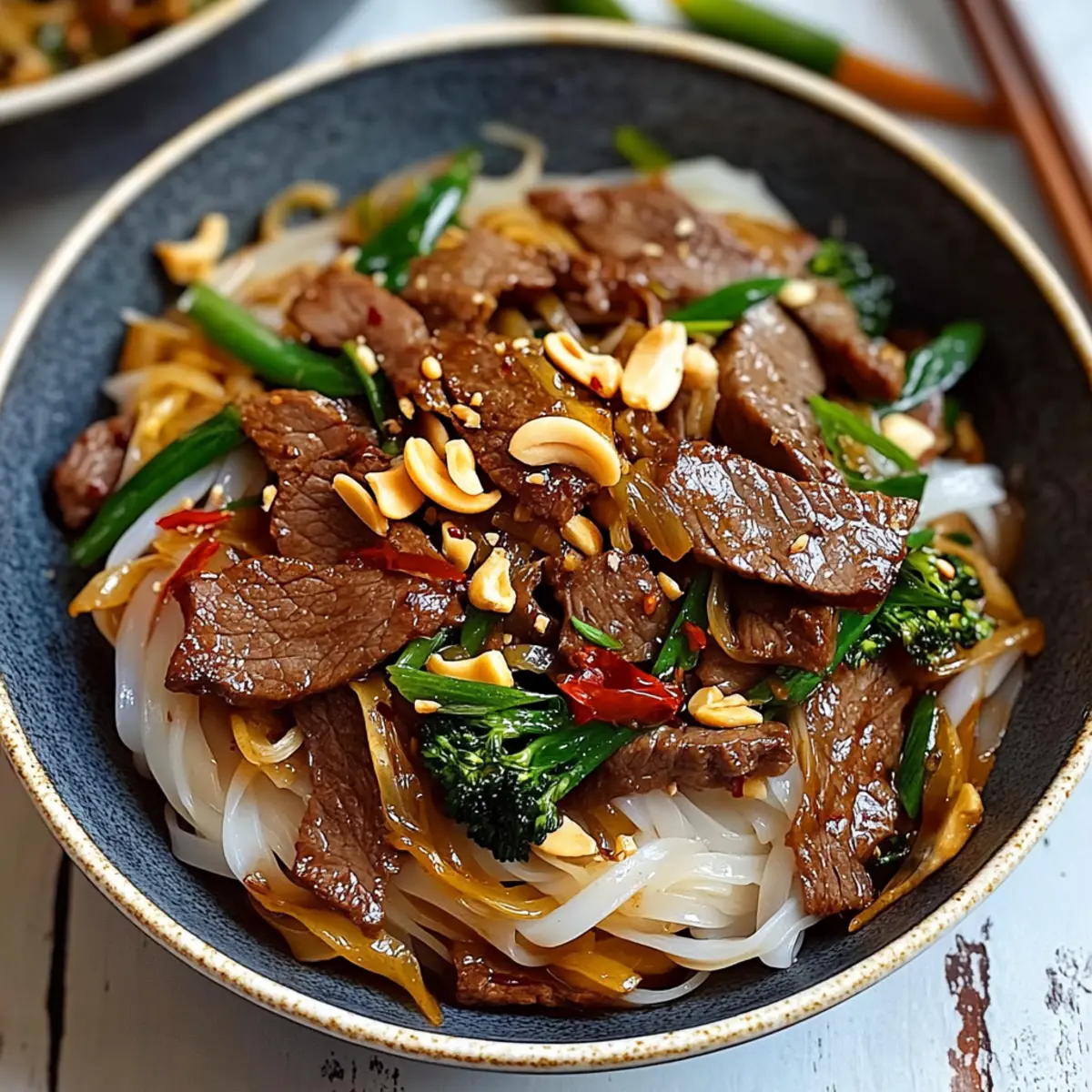
Vietnamese Flat Rice Noodles with Beef Recipe FAQs
What type of beef is best for Vietnamese Flat Rice Noodles?
For this dish, thinly sliced beef like skirt, flap, flank, or ribeye works wonders! These cuts offer the perfect balance of tenderness and flavor. However, if you’re in the mood for a different protein, feel free to swap in chicken, pork, or shrimp according to your preference.
How should I store leftovers of Vietnamese Flat Rice Noodles?
Absolutely! Store your leftovers in an airtight container in the fridge for up to 3 days. This helps maintain the flavors and texture, so you can relish this delightful dish even on subsequent days. When reheating, add a splash of water or broth to rejuvenate the sauce and prevent sticking.
Can I freeze Vietnamese Flat Rice Noodles?
Yes, indeed! You can freeze this dish for up to 2 months. Just make sure to let it cool completely before transferring to a freezer-safe container. When you’re ready to enjoy, thaw overnight in the fridge, then reheat on the stove with a little liquid until heated through for the best results.
What should I do if my beef is tough when cooking?
Very! If your beef turns out tough after cooking, it may have been overcooked or not marinated long enough. To remedy this, ensure you sear the beef quickly until slightly pink inside to maintain tenderness. Additionally, marinating it for at least 15-20 minutes can help break down tough fibers.
Are there any dietary considerations for Vietnamese Flat Rice Noodles?
Certainly! For those with gluten sensitivities, simply replace regular soy sauce with gluten-free tamari, and ensure your rice noodles are labeled gluten-free. Plus, this recipe can easily be adapted to vegetarian diets by swapping beef for marinated tofu or mushrooms, making it perfect for everyone at the table.
How can I tell if my rice noodles are cooked properly?
To achieve the ideal consistency, cook the rice noodles until they are just al dente, which usually takes about 4-6 minutes in boiling water. After cooking, rinse them under cold water to stop further cooking and prevent sticking, ensuring they remain perfectly chewy in your Vietnamese Flat Rice Noodles stir-fry.
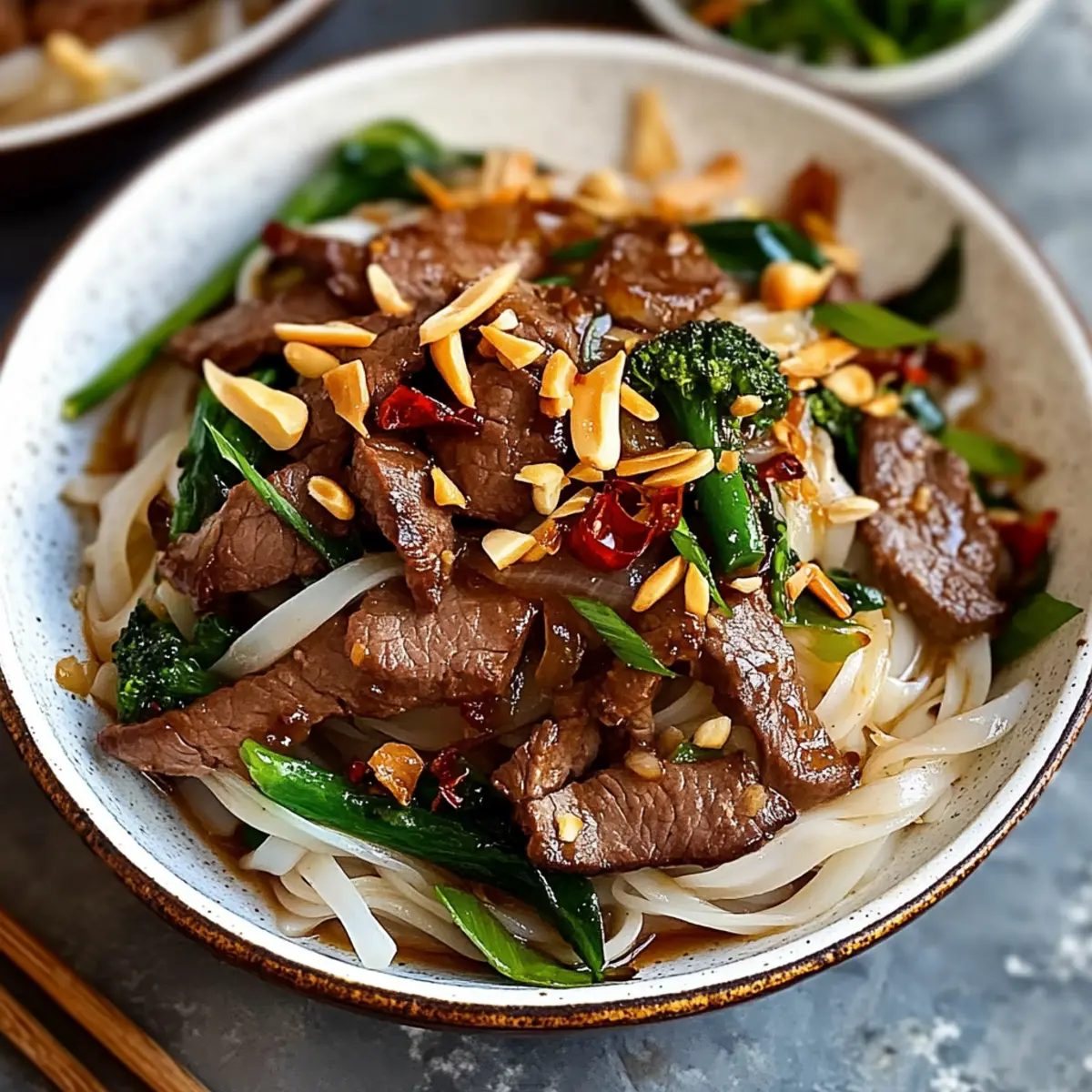
Vietnamese Flat Rice Noodles – A Quick & Tasty Delight
Ingredients
Equipment
Method
- Prepare the Sauce: In a small bowl, whisk together the oyster sauce, low-sodium soy sauce, dark soy sauce, white granulated sugar, pepper, and Sriracha. Mix until the sugar dissolves.
- Marinate the Beef: In another bowl, combine thinly sliced beef with baking soda, garlic powder, and 1½ tablespoons of the prepared sauce. Let it marinate for 15-20 minutes.
- Sear the Beef: Heat 1 tablespoon of oil in a wok over high heat. Add the marinated beef, searing for 1-2 minutes until browned on the outside but slightly pink inside.
- Sauté the Vegetables: Wipe the wok clean and add another tablespoon of oil. Sauté the thinly sliced onion and Chinese broccoli for about 3-4 minutes until charred and vibrant green.
- Add the Rice Noodles: Introduce the cooked rice noodles and half of the prepared sauce. Toss gently, cooking for another 1-2 minutes until softened.
- Combine and Finish Cooking: Add the bean sprouts and green onion tops along with the remaining sauce. Stir for another 1-2 minutes until vegetables are tender yet crunchy.
- Combine the Beef and Serve: Return the seared beef to the wok, folding it into the noodle and vegetable mixture. Adjust seasoning and serve hot.
Leave a Reply