
As a golden sunset melts into the horizon, the scent of simmering tomatoes wafts through my kitchen, instantly transporting me to my grandmother’s bustling Italian home. Today, I’m sharing my cherished recipe for Homemade Canned Spaghetti Sauce with Fresh or Frozen Tomatoes—a labor of love that captures the essence of homemade comfort. This gluten-free delight is perfect for preserving your summer tomato bounty or resurrecting your frozen stash, allowing you to savor the true flavors of your harvest without any preservatives found in store-bought alternatives. The thrill of canning your own sauce means you not only create a delicious meal but also stock your pantry with a vibrant, flavor-packed treasure. Are you ready to fill your jars and create something truly special?
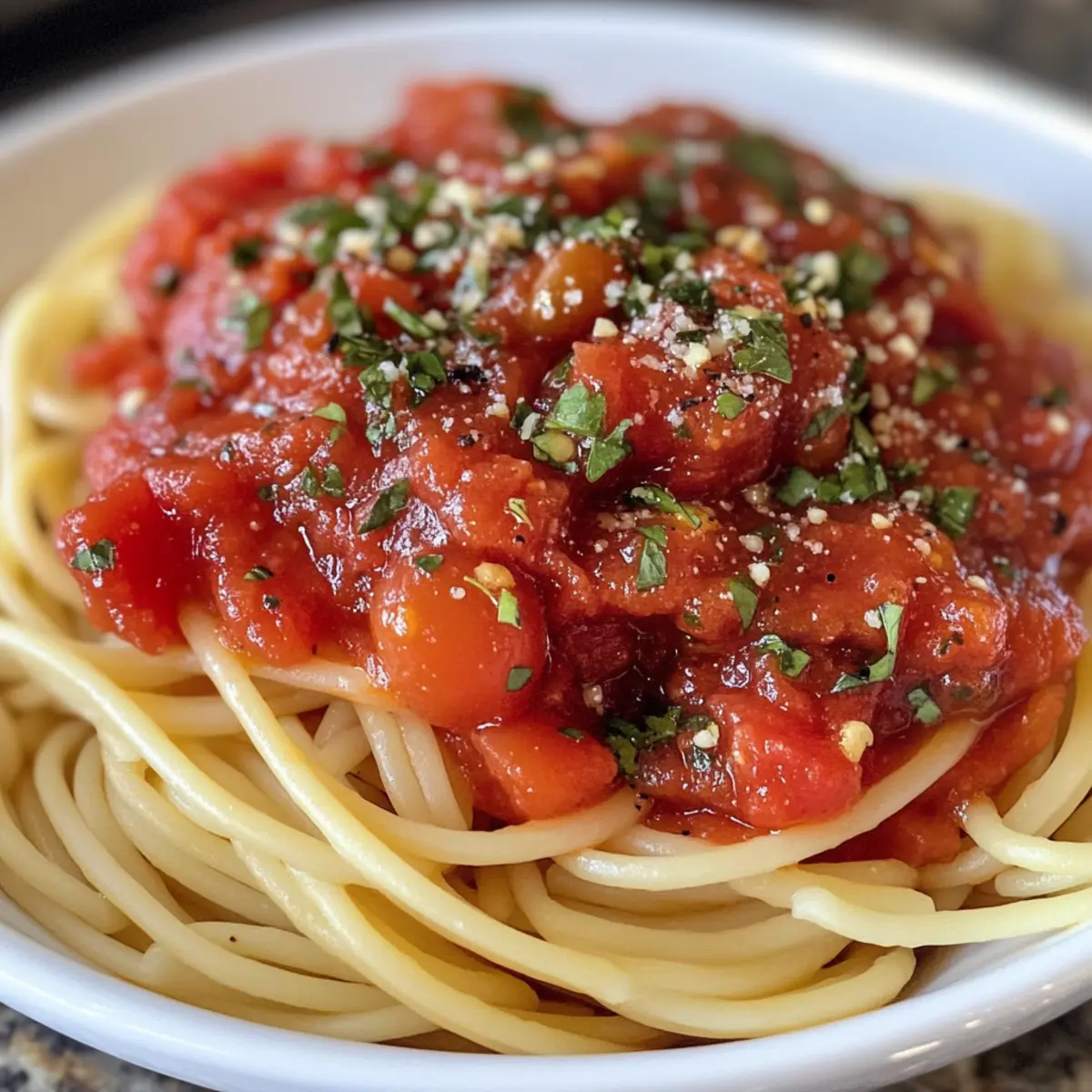
Why Choose Homemade Canned Spaghetti Sauce?
Freshness Guaranteed: Using garden-fresh or frozen tomatoes ensures vibrant flavors that store-bought sauces simply can’t match.
Healthy Homemade: Skip the additives and preservatives—your kitchen-made sauce is a wholesome choice for family meals.
Perfect for Preserving: This recipe allows you to take advantage of in-season tomatoes or utilize those frozen leftovers waiting in your freezer.
Versatile Use: Pair it with pasta, slather on pizzas, or serve with garlic bread for a comforting feast your loved ones will adore!
Ironclad Simplicity: With clear instructions and minimal ingredients, this recipe is perfect for beginning canners and seasoned pros alike. Plus, if you’re looking for other delicious recipes, be sure to check out the Million Dollar Spaghetti or Garlic Pizza Sauce for excellent meal ideas.
Spaghetti Sauce for Canning Ingredients
• Crafting the perfect homemade canned spaghetti sauce has never been easier!
For the Sauce
- Tomatoes – Fresh or frozen, use 30 pounds of paste tomatoes for a thicker sauce.
- Olive Oil – Adds richness; substitute with butter for a creamier texture.
- Onions – Essential for a flavorful base; finely chop for even cooking.
- Green Peppers – Offers sweetness and crunch; can be replaced with zucchini if desired.
- Mushrooms – Provides umami depth; omit or swap for extra onions if not preferred.
- Garlic – Vital for robust flavor; fresh is best, but powdered is a convenient option.
- Herbs (Oregano, Parsley) – Adds aromatic flavor; use fresh herbs for enhanced taste but increase quantity.
- Unrefined Cane Sugar – Balances acidity; can be reduced or omitted based on your preference.
- Salt and Pepper – Essential for seasoning; adjust according to taste, with sea salt as a preferable option.
Expert Note on Safety
- When canning, ensure you’re using a good balance of acidity for safe preservation—always test the pH levels to ensure safety in your spaghetti sauce for canning!
Step‑by‑Step Instructions for Spaghetti Sauce for Canning
Step 1: Prepare Tomatoes
Begin by washing and coring 30 pounds of fresh or frozen paste tomatoes. Quarter the tomatoes to help them cook faster. Place them in a large pot, ensuring the bottom is covered to avoid burning. This step lays the foundation for your delicious Spaghetti Sauce for Canning, so take a moment to enjoy the vibrant colors and fresh aroma.
Step 2: Cook Tomatoes
Set the pot on medium-high heat and cook the quartered tomatoes uncovered for about 20 minutes. Stir occasionally, watching for the tomatoes to soften and begin releasing their juices. You’ll know they’re ready when they start to break down, filling your kitchen with a tantalizing scent that promises a rich, flavorful sauce.
Step 3: Strain Tomatoes
Using a food strainer or mill, carefully separate the seeds and skins from the softened tomato mixture. Retain the juice and pulp, which will form the base of your sauce. This process ensures a smooth texture, enhancing the overall flavor of your Spaghetti Sauce for Canning while making it easier to digest.
Step 4: Sauté Vegetables
In a large skillet, heat a few tablespoons of olive oil over medium heat. Once hot, add finely chopped onions, garlic, green peppers, and mushrooms. Sauté these vegetables for about 5–7 minutes until they are tender and fragrant. This step infuses your sauce with depth and richness, setting the stage for an irresistible homemade experience.
Step 5: Combine Mixtures
In your pot with the strained tomatoes, incorporate the sautéed vegetables. Stir in dried herbs such as oregano and parsley, along with salt, pepper, and unrefined cane sugar to balance acidity. Mix thoroughly for about 2–3 minutes, ensuring all ingredients are evenly distributed, allowing their flavors to harmonize and create a robust Spaghetti Sauce for Canning.
Step 6: Simmer
Bring the combined mixture to a gentle boil over medium heat, then reduce the heat to low. Allow the sauce to simmer for 30–45 minutes, stirring occasionally. This slow cooking process deepens the flavors and thickens the sauce, while the rich aroma envelops your kitchen, reminding you of home-cooked goodness.
Step 7: Fill Jars
While the sauce simmers, prepare your canning jars by sterilizing them in boiling water. Once heated, ladle the hot sauce into the sterilized jars, leaving a 1-inch headspace at the top. This crucial step prevents overflow and ensures a proper seal, helping to preserve the vibrant flavors of your Spaghetti Sauce for Canning.
Step 8: Seal and Process
Adjust the lids on your filled jars, ensuring they are fingertip-tight. Process the jars in a pressure canner for 20-25 minutes (depending on jar size) at the specified pressure for your altitude. This step is essential for safe canning, sealing in the flavors and ensuring your sauce stays fresh for months to come.
Step 9: Cool and Store
After processing, carefully remove the jars from the canner and place them on a clean towel to cool completely. Once cooled, check for proper seals by pressing down on the center of each lid—if they pop back, they need reprocessing. Store your beautifully preserved Spaghetti Sauce for Canning in a cool, dark space, where it can delight your family for up to 1-2 years.
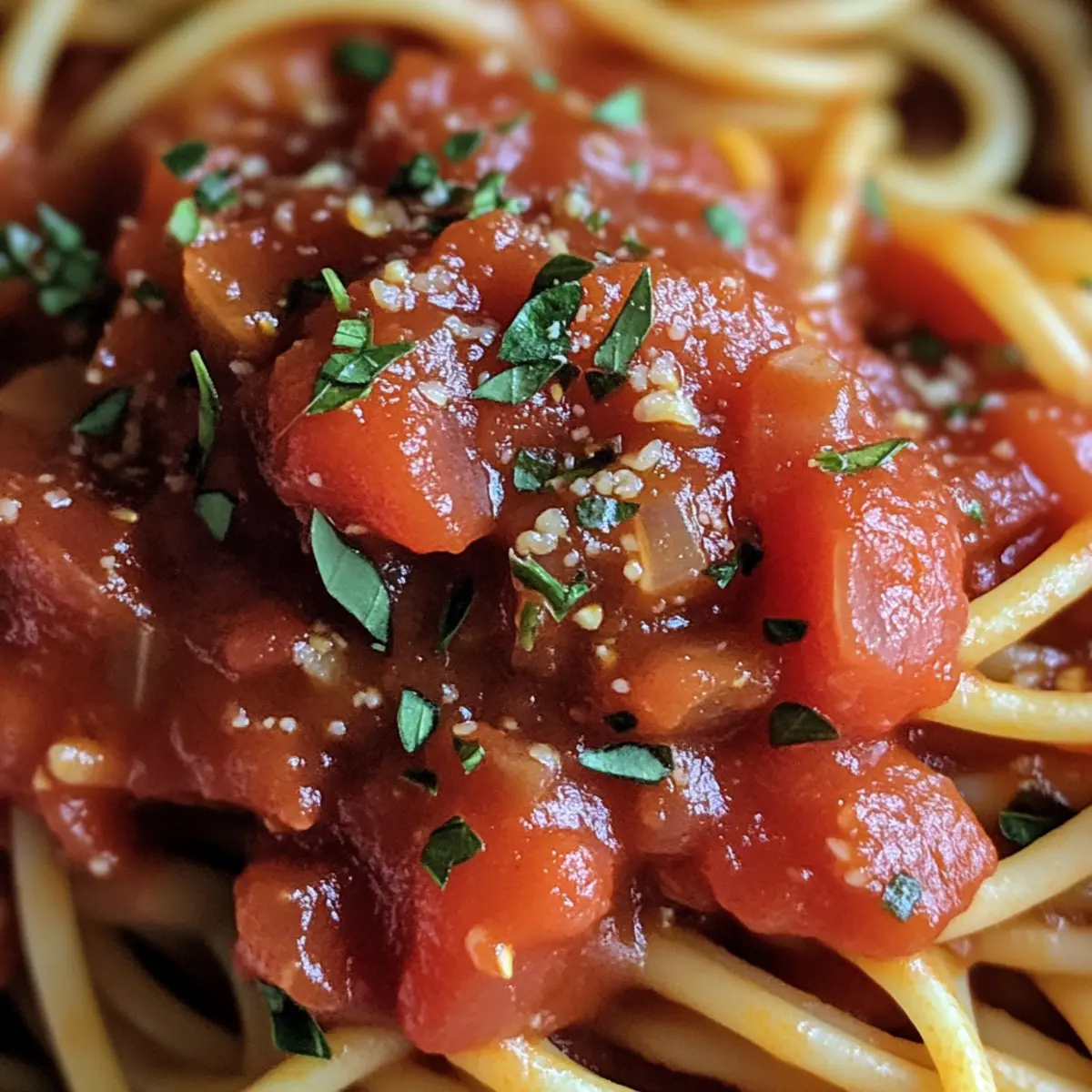
Spaghetti Sauce for Canning Variations
Feel free to make this delicious recipe your own with these fun and flavorful twists!
-
Meaty Delight: Add ground beef, turkey, or Italian sausage to the sautéed vegetables for a hearty meaty sauce. This variation will enhance the richness and make your sauce even more filling.
-
Spicy Kick: Toss in red pepper flakes or diced jalapeños for a zesty twist and to heat things up. Adjust the amount to match your heat preference, and you’ll create a spicy masterpiece that brings warmth to every bite!
-
Vegetable Boost: Incorporate finely shredded zucchini, carrots, or spinach for added nutrition and color. This is an excellent way to sneak in some extra veggies, making your sauce both vibrant and wholesome.
-
Smoky Flavor: Add smoked paprika or chipotle peppers for a hint of smokiness that elevates the flavor profile. This infusion gives the sauce an unexpected depth that can transform your pasta night into a smoky sensation.
-
Fresh Herbs: Swap dried herbs for fresh basil, thyme, or rosemary to brighten the flavors. These aromatic herbs not only add a fresh taste but also a beautiful pop of color to your sauce.
-
Sweetness Variation: Instead of sugar, try honey or maple syrup for a natural sweetness that balances the acidity of the tomatoes differently. This slight change adds a unique essence to your sauce that you might end up loving!
For more delightful recipes to accompany your dinner preparations, check out the flavor-packed Pillows Parmesan Sauce or whip up a batch of Million Dollar Spaghetti for a complete meal!
Make Ahead Options
These Homemade Canned Spaghetti Sauce using Fresh or Frozen Tomatoes are perfect for meal prep enthusiasts! You can wash, core, and quarter your tomatoes up to 24 hours in advance, storing them in an airtight container in the refrigerator to maintain freshness. Additionally, you can sauté your onions, garlic, and peppers a day ahead and refrigerate them until you’re ready to cook. When you’re all set to make the sauce, simply combine the prepared ingredients, simmer, and fill your sterilized jars as instructed. This approach not only saves time but also ensures your sauce is just as delicious, allowing you to enjoy that homemade goodness with minimal effort on busy weeknights!
Helpful Tricks for Spaghetti Sauce for Canning
-
Tomato Selection: Choose paste tomatoes for a thicker sauce. The right variety ensures rich flavor and texture in your spaghetti sauce for canning.
-
Acidity Balance: Test your tomato pH levels to guarantee safe canning. Low-acid tomatoes might require the addition of lemon juice for safety concerns.
-
Simmer Longer: Allow the sauce to simmer for an extended time. The flavors deepen, creating a more robust spaghetti sauce that’s simply unmatched!
-
Proper Sealing: Ensure jars are fingertip-tight when sealing. A proper seal is crucial for long shelf life and safe storage of your homemade sauce.
-
Cooling Process: After processing, let jars cool completely and check for seals before storage. This step can save you from spoilage later.
-
Storage Tips: Store sealed jars in a cool, dark place to maintain the vibrant flavors and quality of your spaghetti sauce for canning.
Storage Tips for Spaghetti Sauce for Canning
Room Temperature: Store sealed jars in a cool, dark place, such as a pantry or cellar, where your spaghetti sauce for canning can last up to 1-2 years.
Fridge: Once opened, keep your spaghetti sauce refrigerated in an airtight container to maintain freshness. It should last for 2-3 weeks in the fridge.
Freezer: If necessary, you can freeze leftover sauce in airtight containers for up to 6 months. To use, simply thaw in the refrigerator overnight or heat gently on the stove.
Reheating: When ready to enjoy, reheat sauce on the stovetop over low heat, stirring occasionally until warmed through. It can also be heated in the microwave for convenience.
What to Serve with Homemade Canned Spaghetti Sauce?
Create the perfect mealtime symphony with delightful pairings that elevate the rich flavors of your homemade sauce.
-
Creamy Garlic Bread: Soft and buttery, this classic side adds a crunchy texture that perfectly complements the sauce’s hearty nature. Give it a touch of Parmesan for an irresistible twist.
-
Zesty Garden Salad: Fresh greens tossed with a tangy vinaigrette bring a burst of brightness, balancing the rich, slow-cooked flavors of the spaghetti sauce beautifully.
-
Al Dente Pasta: Whether you prefer spaghetti or penne, the pasta serves as the perfect vessel for soaking up your flavorful homemade canned spaghetti sauce.
-
Savory Meatballs: Juicy and aromatic, meatballs add a heartiness to your meal, making for a comforting dish brimming with robust flavors that pair perfectly with the sauce.
-
Roasted Vegetables: Caramelized seasonal veggies provide a smoky sweetness that enhances the depth of your canned sauce. Try zucchini, bell peppers, or eggplant for added nutrition.
-
Wine Pairing: A glass of Chianti or a light Pinot Grigio enhances the flavors further, creating a dining experience reminiscent of an authentic Italian bistro.
Let each pairing resonate with your family’s taste buds and transform your meal into a memorable culinary celebration!
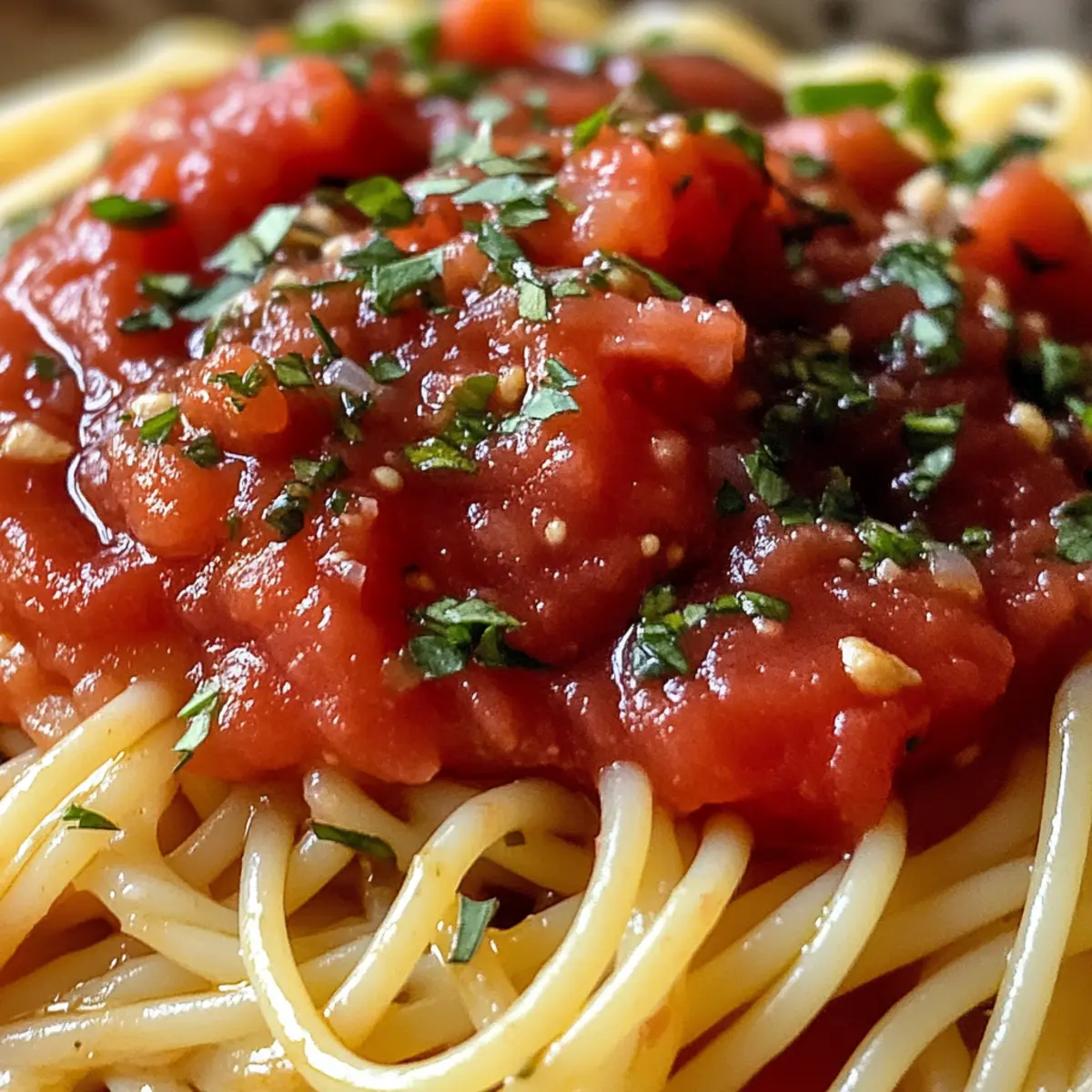
Spaghetti Sauce for Canning Recipe FAQs
How do I choose the best tomatoes for this sauce?
Absolutely! For the richest flavor and texture, select paste tomatoes, such as Roma or San Marzano. Look for tomatoes that are firm, heavy, and free of blemishes. Avoid any with dark spots or soft spots, as these may be overripe or spoiled. If you’re using frozen tomatoes, ensure they are free from freezer burn for the best results.
How long can I store my canned spaghetti sauce?
You can store your sealed jars of spaghetti sauce for canning in a cool, dark place for up to 1-2 years. Just make sure they’re in a pantry or cellar, where temperature fluctuations are minimal. Once opened, however, your sauce should be refrigerated and consumed within 2-3 weeks for optimal freshness.
Can I freeze leftover spaghetti sauce?
Very much! If you have any leftover sauce, you can freeze it in airtight containers for up to 6 months. Remember to allow the sauce to cool completely before transferring it to the containers. When you’re ready to use it, simply thaw overnight in the fridge or reheat gently on the stove.
What should I do if my sauce is too acidic?
If your sauce turns out too acidic for your taste, don’t worry! A simple fix is to add a small amount of unrefined cane sugar, typically about a teaspoon at a time, stirring well and tasting as you go until you achieve the desired balance. Another option is to mix in a tablespoon of baking soda—this neutralizes acidity, but be careful not to add too much, as it can affect flavor.
Are there any dietary considerations for this recipe?
Yes! This spaghetti sauce for canning is gluten-free and can easily be tailored for other dietary needs. If you have allergies to certain ingredients like garlic or onions, you can omit them or substitute with alternatives such as shallots or garlic-infused oil. Always remember to check the labels on your products to ensure they meet your dietary restrictions.
How do I know if my canned sauce is properly sealed?
After the jars have cooled, press down on the center of each lid. If it pops back, the jar hasn’t sealed properly, and the sauce needs to be reprocessed. If it doesn’t move, you’re good to go! Proper sealing is crucial for preventing spoilage and maintaining the deliciousness of your homemade spaghetti sauce.
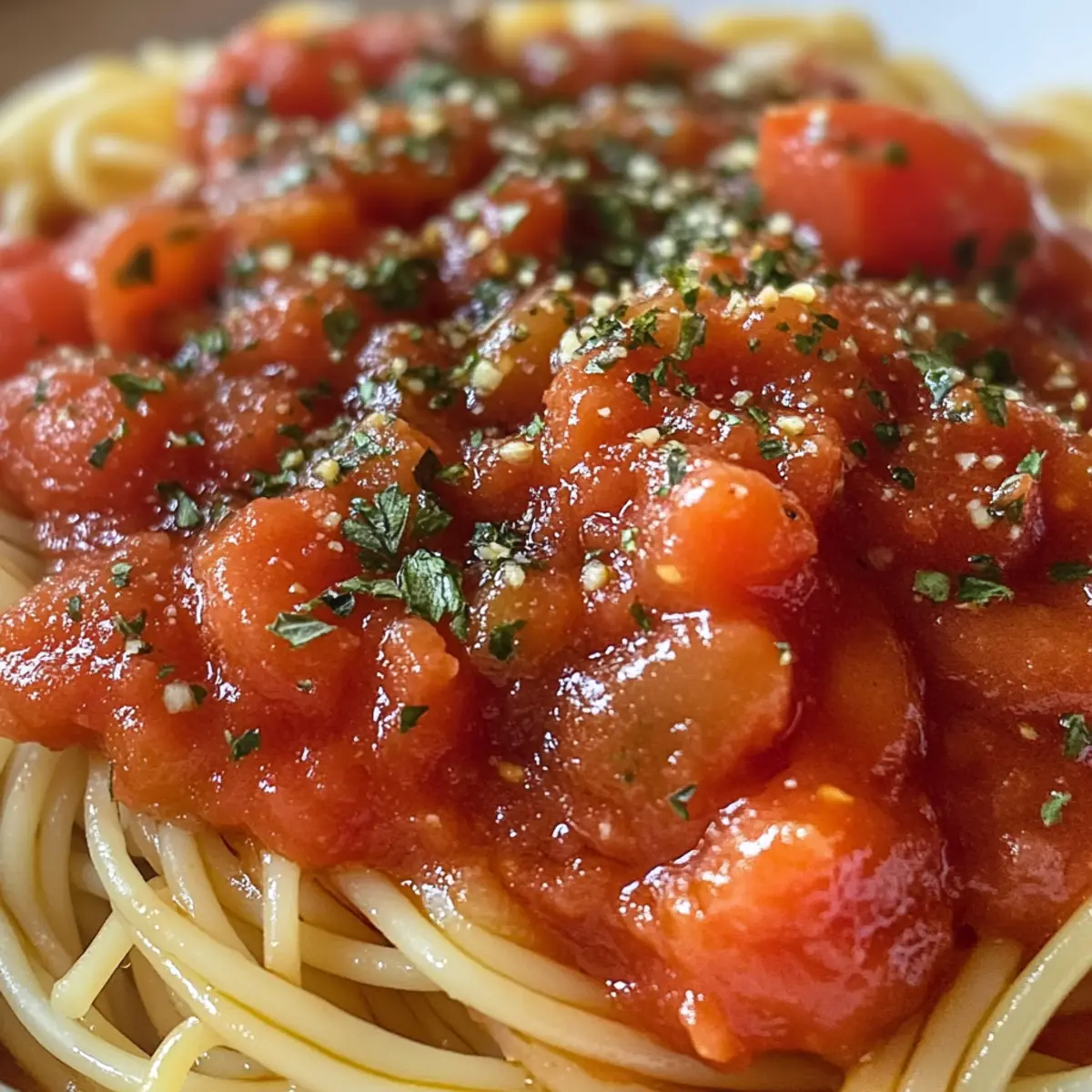
The Ultimate Spaghetti Sauce for Canning: Fresh Flavor Awaits
Ingredients
Equipment
Method
- Begin by washing and coring 30 pounds of fresh or frozen paste tomatoes. Quarter the tomatoes to help them cook faster.
- Set the pot on medium-high heat and cook the quartered tomatoes uncovered for about 20 minutes.
- Using a food strainer or mill, carefully separate the seeds and skins from the softened tomato mixture.
- In a large skillet, heat a few tablespoons of olive oil over medium heat. Add finely chopped onions, garlic, green peppers, and mushrooms. Sauté for about 5–7 minutes.
- In your pot with the strained tomatoes, incorporate the sautéed vegetables, dried herbs, salt, pepper, and sugar. Mix thoroughly for about 2–3 minutes.
- Bring the combined mixture to a gentle boil, then reduce the heat to low. Allow the sauce to simmer for 30–45 minutes.
- Prepare your canning jars by sterilizing them in boiling water. Once heated, ladle the hot sauce into the sterilized jars, leaving a 1-inch headspace at the top.
- Adjust the lids on your filled jars, ensuring they are fingertip-tight. Process the jars in a pressure canner for 20-25 minutes.
- Carefully remove the jars from the canner and place them on a clean towel to cool completely.
Leave a Reply